
Residential garage door security starts with a layered plan. Keep the overhead door working safely, treat the door between the garage and house like any exterior entry, control remotes and keypad codes, and check every side door and window. Don’t block the emergency release or add a lock that could conflict with an automatic opener.
Start with every way into the garage
A garage can have more than one weak point. The overhead door gets most of the attention, yet a person may also reach the garage through a side door, a service door, a window, a keypad, a remote, or a connected opener app. An attached garage also has a second key entry point, the door leading into the house.
Walk around the garage in daylight and make a simple list. You don’t need to decide on a product before you know what needs attention.
- Check whether the overhead door closes fully and sits evenly against the floor.
- Look at each walk-through door, its frame, hinges, strike plate, and lock.
- Note windows that let someone see tools, remotes, or the inside door.
- List every remote, keypad code, physical key, and app account that can open a door.
- Check the door from the garage into the home, including the lock and whether it closes and latches.
Keep the list focused on access. A camera may help you notice activity, but it does not replace a working door, a usable lock, or controlled credentials.
Make the door into the house a separate priority
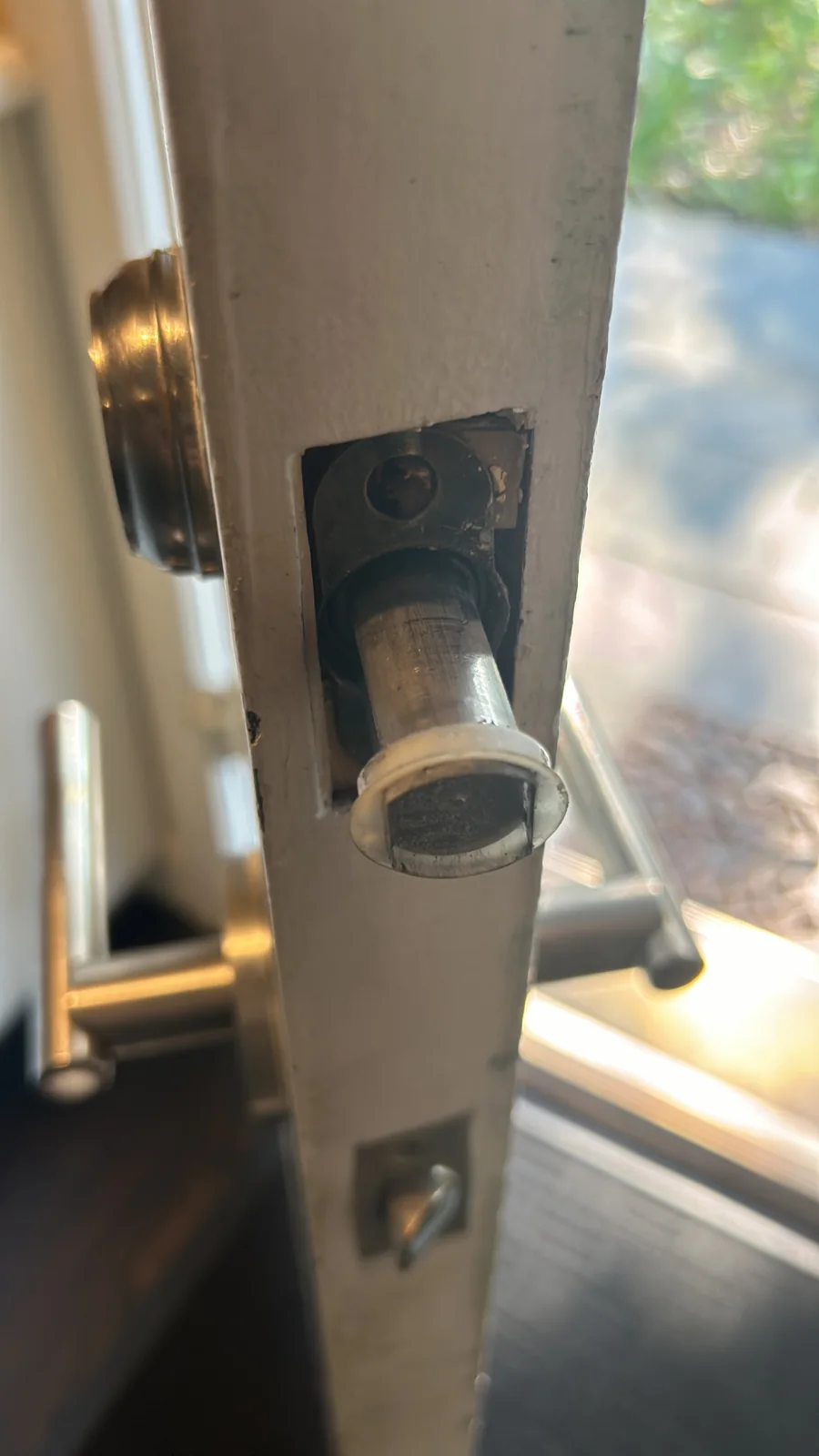
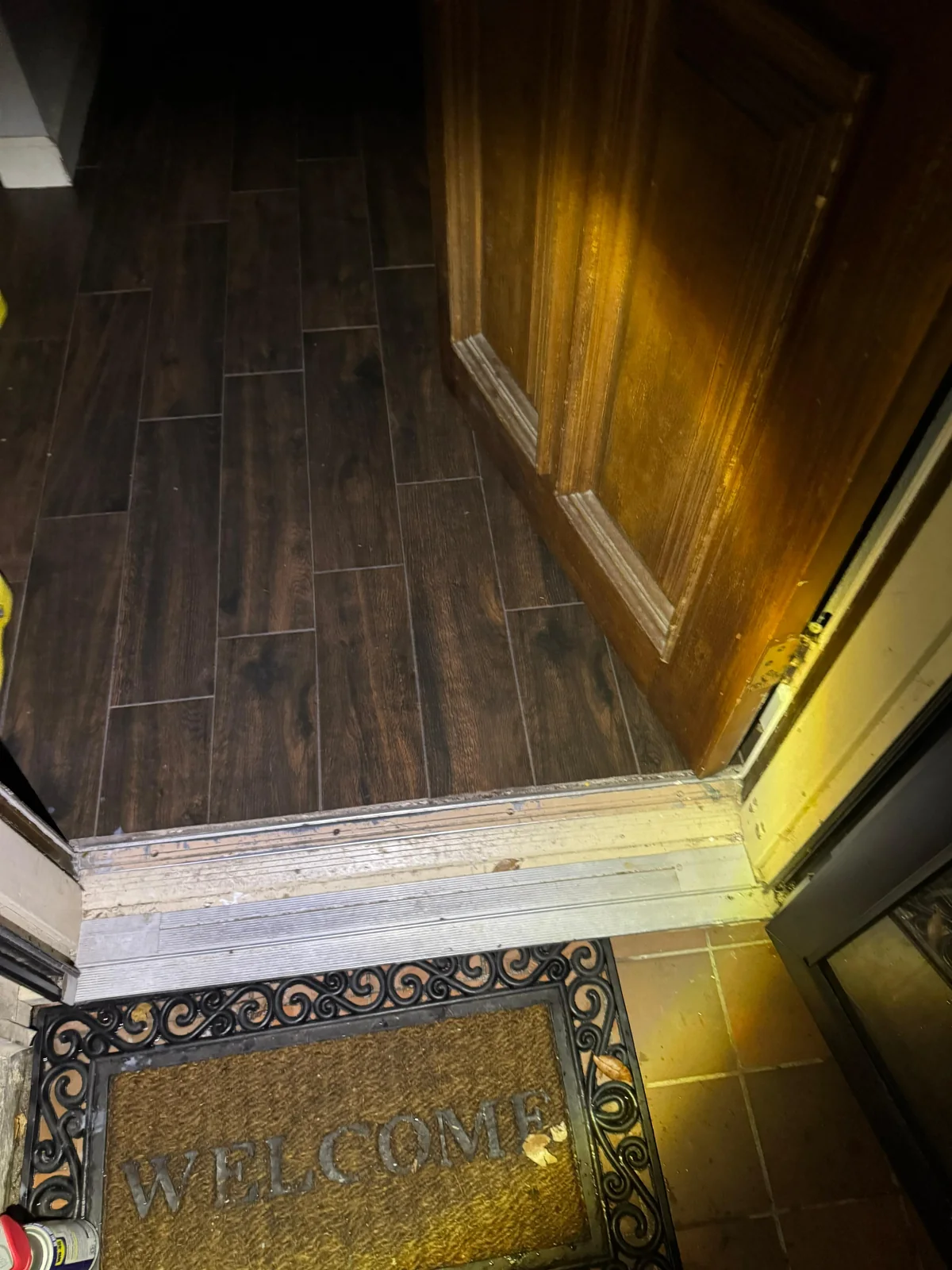
If the garage connects to your home, the interior connecting door deserves the same review as a main exterior door. A closed overhead door does not remove the need for a secure interior door. Check that the door closes without rubbing, the latch catches, and the lock works from both sides as designed.
Decide who needs a key or code for this door. A household may want one plan for daily use and another for a trusted person who needs limited access. Keep spare keys in a place you can control rather than leaving them in an unlocked vehicle or visible spot in the garage.
If you recently moved in, lost a key, or do not know who has copies, re-keying can reset access without changing every lock. If the door, frame, or lock is damaged, have the setup assessed before choosing a replacement. The lock has to fit the door and its existing hardware.
Check the door hardware before adding smart access
Keyless entry and smart locks can make it easier to give or remove access, but they still depend on a door that latches correctly. Confirm the lock type, door thickness, handing, and any existing deadbolt before buying equipment. Battery needs, physical-key backup, and who manages the app are also practical questions.
United Locksmith lists deadbolt installation, smart-lock integration, keyless entry, lock repair, and replacement through its residential lock installation service. Ask about the door and hardware you have so the option can be checked for fit.
Use the overhead door without creating a safety problem
An automatic garage door is both an access point and a moving, heavy door. Security changes must not interfere with safe operation. The U.S. Consumer Product Safety Commission says automatic residential garage-door operators are subject to federal safety requirements that include entrapment protection.
Don’t disable, tie up, block, or obstruct the emergency release. It gives people a way to disconnect the door from the opener when needed. Use care if the door is open, since a door with a problem can move unexpectedly. If springs, cables, or the door itself need repair, leave that work to a qualified garage-door professional.
Do not engage or add a manual lock to a door run by an automatic opener unless the opener maker or a qualified professional confirms that the setup is compatible. Federal instruction requirements warn about the safety risks of locks that are not compatible with the operator.
Put a monthly opener check on the home calendar
The federal instruction rule at 16 CFR 1211.16 calls for monthly testing of the opener and for the door to reverse when it contacts a test object. Follow the test procedure in your opener manual. Keep people, pets, and belongings clear while you test.
Stop using the automatic opener and arrange service if the door does not reverse as intended, moves in an unusual way, or has visible damage. A security plan fails when a door cannot close or operate safely.

Control remotes, keypads, and app access
Access control is the record of who can open the garage. Many homes lose track of this after a move, a vehicle sale, a tenant change, a helper change, or a lost remote. Take an inventory before changing codes or devices.
Use this access checklist
- Count the remotes and label who uses each one.
- Remove remotes from vehicles that are being sold, serviced for a long period, or no longer used by your household.
- Change keypad codes when someone who knew the code no longer needs access.
- Review shared access in the opener app and remove accounts that no longer belong.
- Use a separate code or temporary access feature only if your specific keypad or app supports it.
- Keep your opener manual and model information where you can find them without leaving them in a vehicle.
A remote kept in a car is convenient, but it is also an access item. Think through where it stays when the car is parked outside the garage, at a repair shop, or away from home. If a remote is lost, use the steps in the opener manual to remove it from the system or ask a qualified provider for help.
Review side doors, windows, and stored items
A solid overhead door will not help much if a side door is left unlocked or a damaged window gives easy access. Close and lock walk-through doors each time the garage is unattended. Check that the frame is sound and that the lock bolt enters the frame fully when locked.
Windows need a different kind of planning. They can show what is stored inside and may reveal the door into the house. Move high-value tools, keys, paperwork, and spare remotes out of plain view. Covering a window may reduce visibility, but do not block a required escape route or make a safety change without knowing the rules for your home.
Think about the garage as storage, too. Ladder access, tools, and boxes can create risks if they are easy to reach from an open door. Put away items after use, and don’t leave the overhead door open while you are working in another part of the house or yard.
Choose the right kind of help
Some tasks are simple household checks. Others need a locksmith, an opener maker, or a garage-door professional. Matching the problem to the right person protects both access and safe operation.
| What you find | Useful next step |
|---|---|
| You do not know who has keys, remotes, or codes | Make an access list, remove unneeded digital access, and consider re-keying or code changes. |
| The connecting door lock sticks or does not latch | Have the door, frame, and lock checked before selecting replacement hardware. |
| The opener fails a safety test or the door moves poorly | Stop using the automatic opener and contact a qualified garage-door professional. |
| You want a lock, security bar, or other garage security change | Confirm it will work with your door and opener before it is installed or used. |
For a Houston home, a locksmith for garage service can help with garage security upgrades, re-keying, and emergency lockout assistance, according to United Locksmith. Bring your access list and any door or opener model details to the conversation. It helps keep the review tied to the doors and credentials you actually use.
Keep emergency access safe and planned
Every adult in the household should know where the emergency release is and how to find the opener instructions. That is different from leaving the release exposed or altering it. Plan how you would enter the home if a power outage affects the opener, and keep a working key for the connecting door where authorized household members can reach it.
Do not force a jammed door, pull on springs or cables, or try to defeat the opener’s safety features. If a person is trapped, or there is fire or smoke, call 911 first.
Frequently asked questions
Should I change garage keypad codes after moving?
Yes, changing the keypad code is a sensible access reset when you do not know who had the old code. Also review remotes and app users. A code change alone will not remove a remote or a shared app account.
Can a renter change a garage lock or keypad?
Check the lease and ask the property owner or manager before changing locks, codes, or opener equipment. The owner may need access for maintenance, and the existing door or opener may have rules that affect what can be installed.
What information should I have ready before calling for garage help?
Have photos of the door and lock if it is safe to take them, the opener brand and model if known, and a short note about what is not working. Tell the provider whether the garage is attached to the home and whether a remote, key, or code is missing.
For help reviewing garage locks, re-keying access, or handling a garage lockout in Houston, call United Locksmith at 832-220-4722 and ask for garage service based on your door and access setup.