
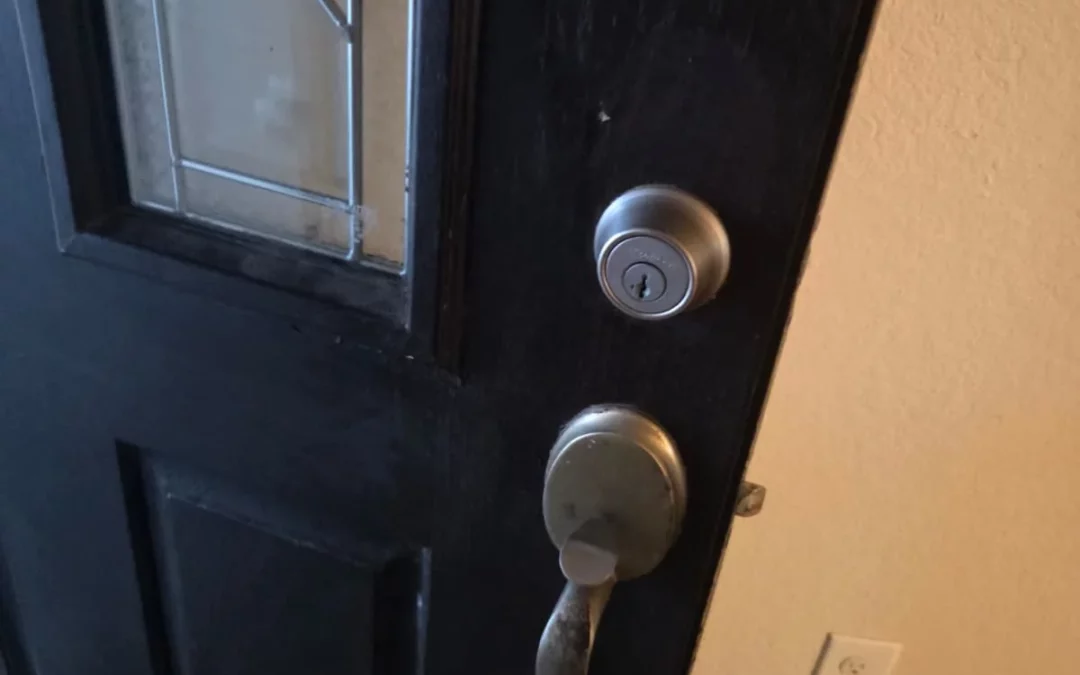
The locks to change after buying a house are every exterior lock that can lead into the home, including the front, back, side, patio, basement, garage-to-home doors, and keyed gates. Rekey locks that work well. Replace hardware that is damaged or doesn’t fit your needs. Then clear old remotes, keypad codes, smart-lock users, and spare keys.
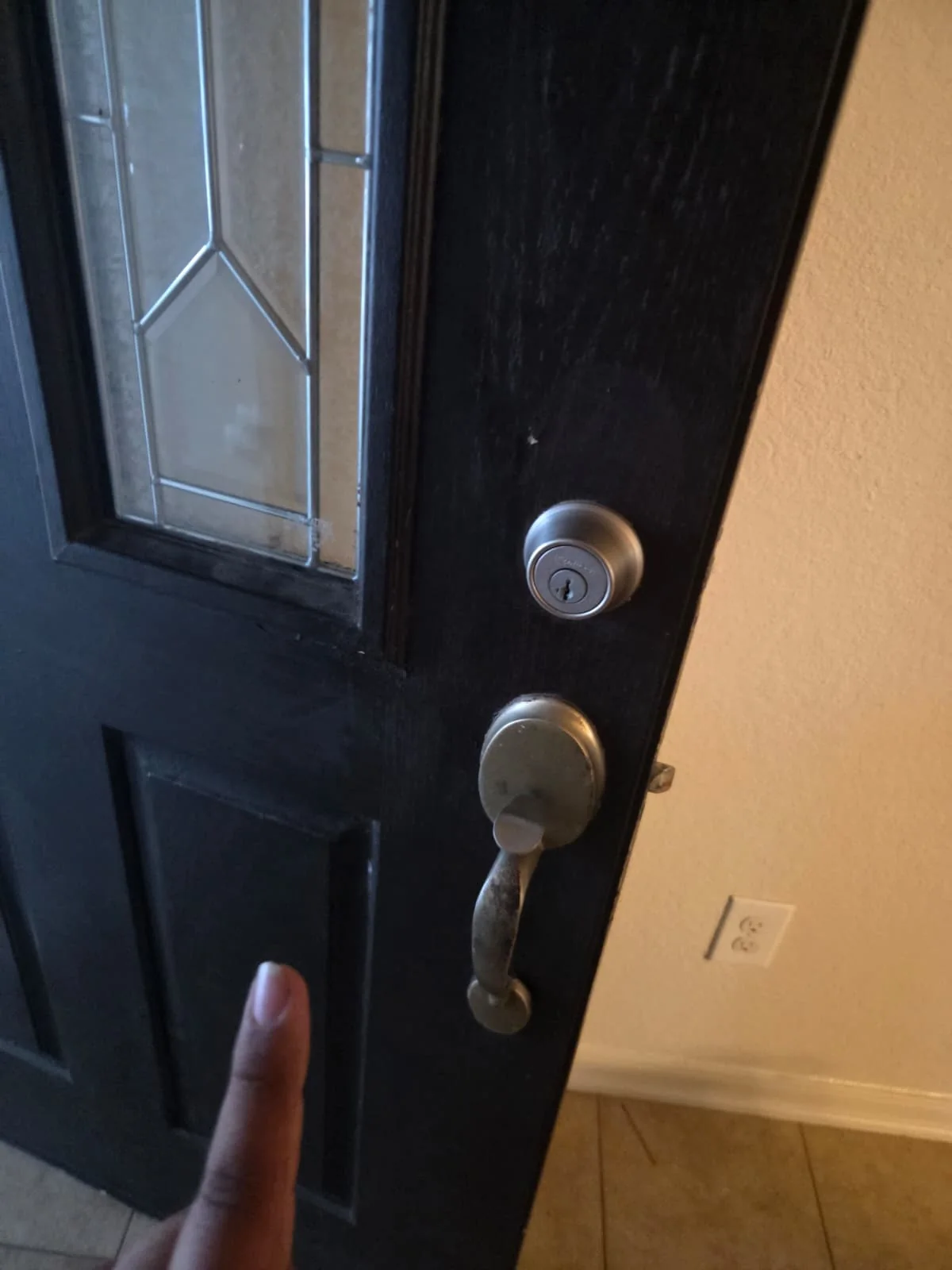
Moving day can leave little time for a full review. Still, access control is worth handling before boxes fill the entryways and before workers, guests, or movers begin coming and going. You may know who received keys at closing. You likely don’t know who had copies years earlier.
Start with locks to change after buying a house
Walk the outside of the property first. Your goal is simple. Find every opening a person could use to get from outdoors into a living area, attached structure, or fenced yard. Bring your phone to make a list and take photos of locks that need a closer look.
- Front door including the deadbolt, handle lock, and any keyed screen or storm door
- Back and side doors including doors used for trash, yard work, or contractor access
- Garage entry door where an attached garage connects to the house
- Detached garage or shed when it holds tools, remotes, or a door into another secured space
- Patio and sliding doors including their main lock and any auxiliary bar or pin
- Basement or exterior utility doors if present
- Keyed gates that control entry to a backyard, pool area, or side yard
Don’t count an interior bedroom or closet lock as part of this first pass unless you have a separate reason to control access there. Put your attention on entry points first. In a Houston move-in, this check can include side gates, patio doors, and detached garages that may be easy to miss while you focus on the main house.
Choose rekeying when the lock is still in good shape
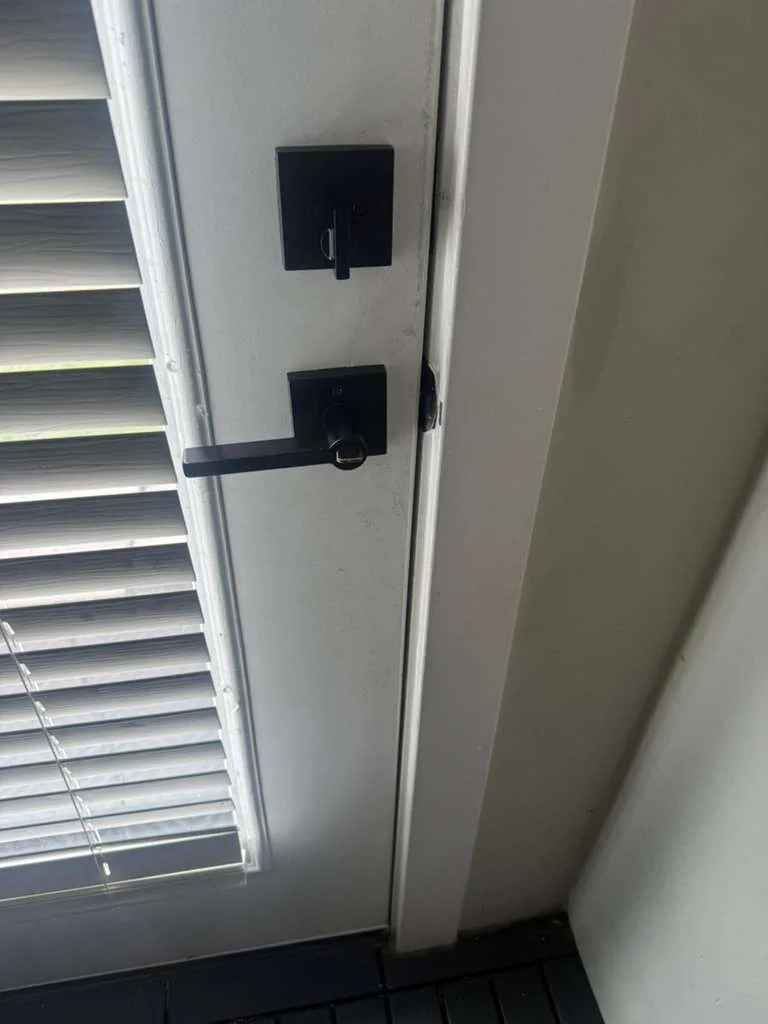
Rekeying changes the small parts inside a lock so an old key no longer works. The exterior hardware can stay in place. United Locksmith describes residential lock rekeying as a way to change access after moving or construction work without replacing the whole lock.
Rekeying is often a practical choice when the lock operates smoothly, the key goes in and turns without trouble, and you like the hardware already on the door. It can also let you ask whether several compatible locks can use the same new key. A locksmith needs to inspect the locks before confirming what can be rekeyed together.
Make a key plan before work begins
Decide who needs a key now. Think about adults in the household, a trusted nearby contact, and any person who must enter for a planned reason. Keep the list short. If a cleaner, pet sitter, tenant, contractor, or former occupant has a key, treat that key as unknown access until the lock is rekeyed.
The Henrico County Division of Police advises rekeying when you move into a new house. It also advises against hiding spare keys outside. If you need a backup, choose a person you trust or use an access method you can manage and remove when needed.
Replace a lock when a new key won’t fix the problem
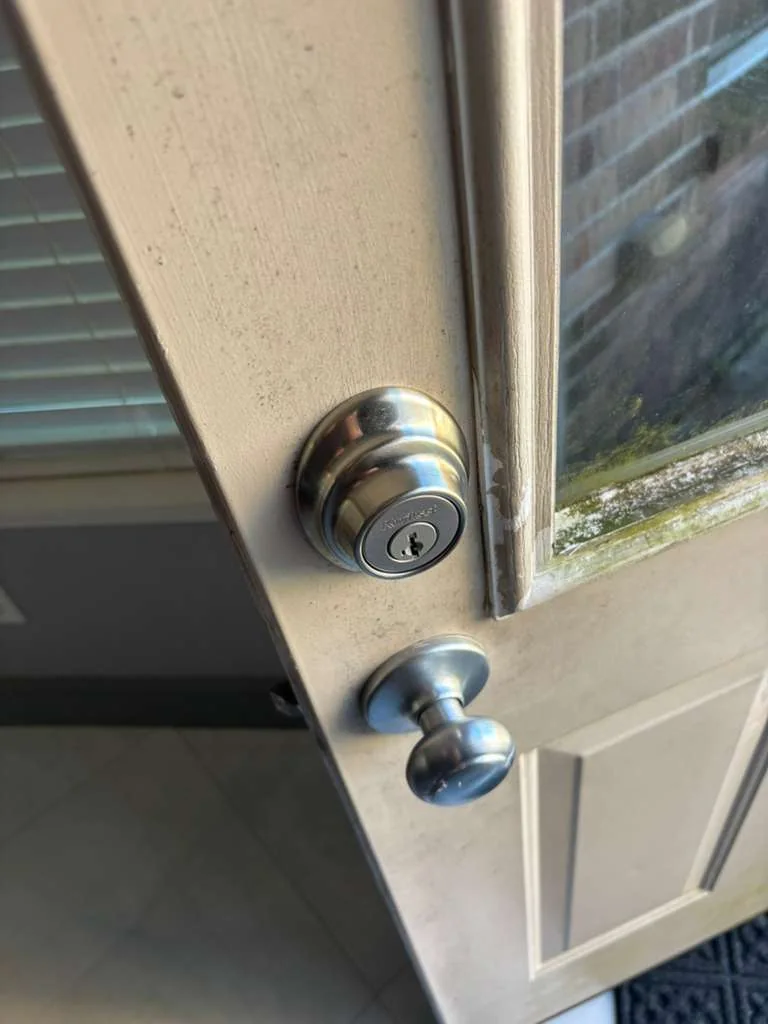
A fresh key does not repair worn or poorly installed hardware. Replacement deserves a closer look when a deadbolt sticks, the latch doesn’t line up with the strike plate, screws are loose, or the door frame feels weak around the lock. A lock that turns only after lifting, pushing, or pulling the door also needs attention.
Check the door itself while you are there. Close it and look at the gap around the edge. Test the deadbolt with the door open, then closed. The bolt should extend fully without forcing the thumb turn or key. Do not keep forcing a key that binds. It can break and make a simple fix harder.
The Insurance Information Institute points to deadbolts, strong doors and frames, peepholes, and secure sliding-glass-door hardware as useful entry protections. That is a reminder to assess the door and frame with the lock, rather than picking a new lock by appearance alone.
Check the strike plate and frame
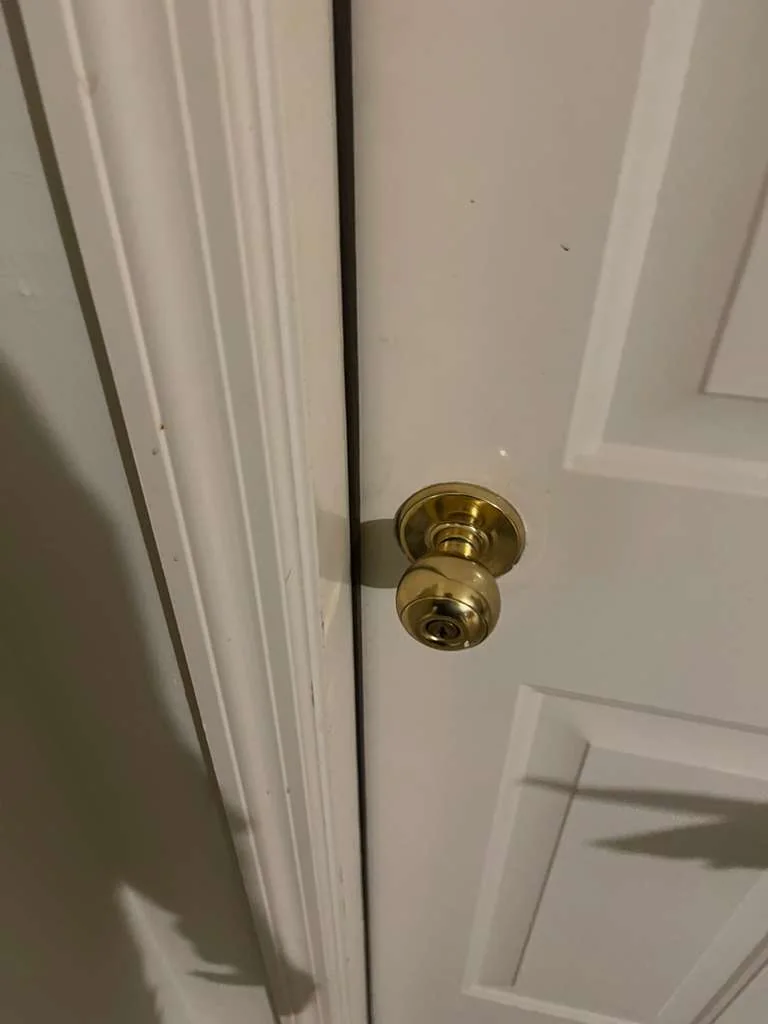
The strike plate is the metal plate on the door frame where the latch or deadbolt enters. Look for loose screws, cracked wood, or a bolt that hits the plate instead of entering its opening. These signs do not automatically tell you what repair is needed. They do tell you the lock should be checked before you rely on it.
If a door is hard to close during hot, wet, or changing weather, avoid treating the lock alone as the cause. Door movement, hinges, and frame alignment may affect how it works. Describe what happens when you call so the service visit can begin with the right problem.
Remove access that doesn’t use a metal key
Keys are only part of a move-in reset. Write down every way the home can be opened without one. Then delete, reset, or collect what you can. This step matters even if each door has just been rekeyed.
- Erase old users and add new users on smart locks
- Change keypad codes for entry doors, gates, and garages
- Collect garage remotes from the sale, then follow the opener maker’s instructions to clear old remotes if needed
- Check whether a garage opener app still has shared users
- Remove old access from alarm, camera, or gate-control apps where applicable
- Look for key lockboxes left by a real estate agent, contractor, or prior owner and remove them if they are no longer needed
Keep the model names and instructions for smart locks and garage openers in your home file. Smart devices vary, so don’t assume a general reset step will work for your equipment. If an app asks for an old account password or ownership transfer, contact the maker for its current process.
Give sliding doors and garage doors their own check
Sliding patio doors need more than a glance at the handle. Lock the door, then check whether it stays in the track when you move it gently. Look for a separate bar, pin, or other device already installed. If it is bent, missing, or does not fit, note it for repair or replacement. Do not block an exit that residents may need to use during an emergency.
For a garage, distinguish between the large overhead door and the walk-through door. The overhead door may use remotes, a keypad, and an app. The walk-through door may use a regular keyed lock. An attached garage also has a door into the home. Review all three paths rather than assuming one reset handles the whole garage.

Use this move-in order to avoid missed doors
If you cannot do everything on closing day, take the most direct route. First, secure doors that lead straight into living spaces. Next, address other exterior buildings and gates. Finish with accounts, remotes, and copies.
- List each exterior door, gate, and outbuilding.
- Test each lock and note damage, sticking, or poor alignment.
- Choose rekeying for working hardware when your concern is old keys.
- Set aside damaged or unsuitable locks for a replacement discussion.
- Reset codes, smart-lock users, garage remotes, and shared app access.
- Decide where your new spare key will be kept without hiding it outdoors.
- Label new keys only after you have checked that every person has the access they need.
Take photos of unusual keys, damaged parts, and the inside and outside of each door before a service visit. A clear list can help you remember a gate lock or a second deadbolt that may otherwise be skipped. Avoid posting photos that show key cuts, alarm panels, or current entry codes.
Ask before buying new hardware
Buying a lock before checking the door can create a return trip. Measure the door thickness and note whether it has one bore hole, two bore holes, a mortise lock, or a handle set with a deadbolt. Take a photo of the latch edge and strike plate. If the door has a smart lock, save the product name and any setup details.
Also ask your insurer before assuming that a device earns a discount. The Insurance Information Institute notes that discounts for security devices vary by carrier. A lock change may be an important move-in task even when it does not affect your insurance price.
Questions new homeowners often ask
Can all exterior locks use one key?
Sometimes they can, but it depends on the lock types and their condition. A locksmith can inspect the cylinders and tell you whether they can be set to one key or whether separate keys are needed. Do not force a key from one lock into another just because the keyway looks similar.
Should I change locks if the seller gave me every key?
Yes, a rekey or replacement can still make sense. A seller may have turned in every key they possess, yet past residents, workers, neighbors, or guests may have received copies. Rekeying addresses unknown copies when the current hardware is in good working order.
What should I do with keys left in drawers or cabinets?
Don’t assume they belong to the house. Set them aside and label where you found them. They may operate a shed, mailbox, window lock, filing cabinet, vehicle, or equipment. Test a key only where you have permission and can do so safely.
When is a lock issue an emergency?
If someone is trapped, there is a fire, or there is smoke, call 911 first. For other urgent access trouble, such as being locked out or having a door that will not secure, explain the situation when requesting locksmith service.
For help checking and updating your home’s entry locks, call United Locksmith at 832-220-4722. Its residential locksmith service can help with rekeying, lock repair, upgrades, and installation in Houston. Have your door list and photos ready when you call.