

To repair or replace a house lock, start with what has failed. A loose part, worn piece, or door that has shifted may be repairable. Replace a lock that is cracked, broken, unreliable with the key, or unable to latch securely. If key control is the concern, rekeying may secure the current hardware without changing the whole lock.
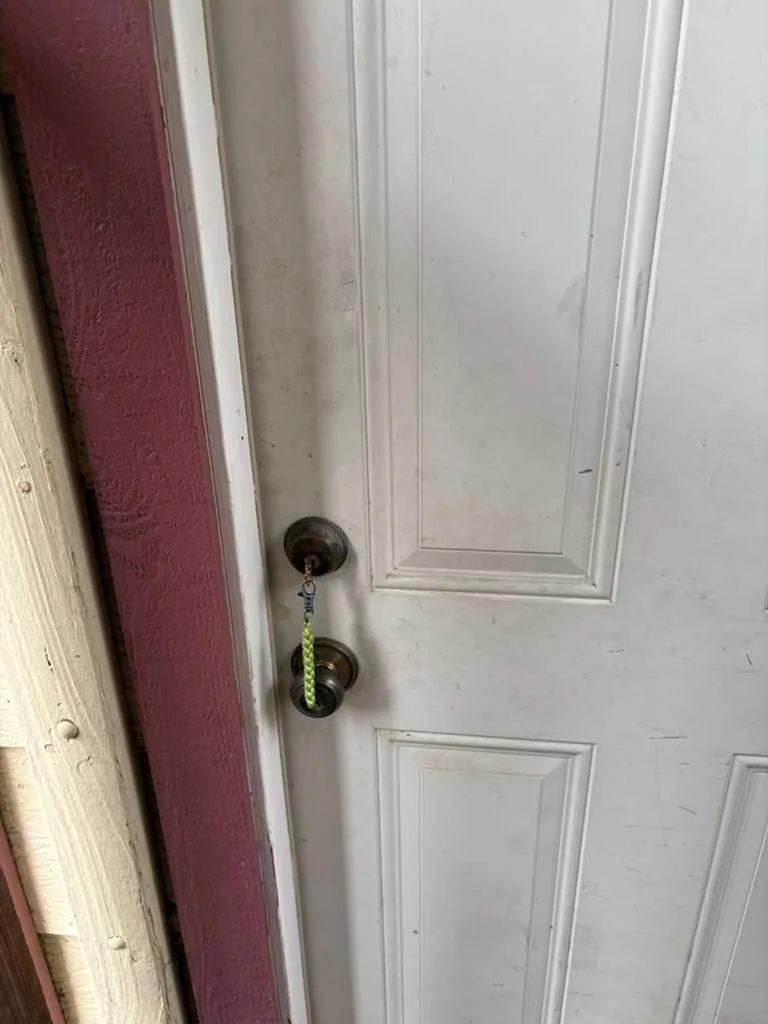
Start with the problem you can see and feel
A lock can feel faulty even when the problem sits elsewhere on the door. Before choosing a service, note what happens each time you use it. That gives a locksmith useful clues and helps separate a one-time snag from a security concern.
- Does the key slide in, turn, and come out without force?
- Does the latch or bolt move smoothly when the door is open?
- Does the door close without lifting, pushing, or pulling it into place?
- Does the latch enter the strike plate, which is the metal plate on the frame?
- Are screws, the handle, lock trim, or strike plate loose?
- Do you see cracks, bent metal, missing pieces, or damage around the lock or frame?
Try the lock with the door open. If the key and latch work normally then, but the door will not lock when closed, the door and frame may be out of line. Schlage’s door-latch guidance notes that a bolt rubbing against or hitting the strike plate can point to an alignment issue. Hinges, the strike plate, or the frame may need attention instead of a new lock.
Do not force a key or turn a stiff lock with tools. Extra force can break a key, damage internal parts, or make a door that still closes become unusable.
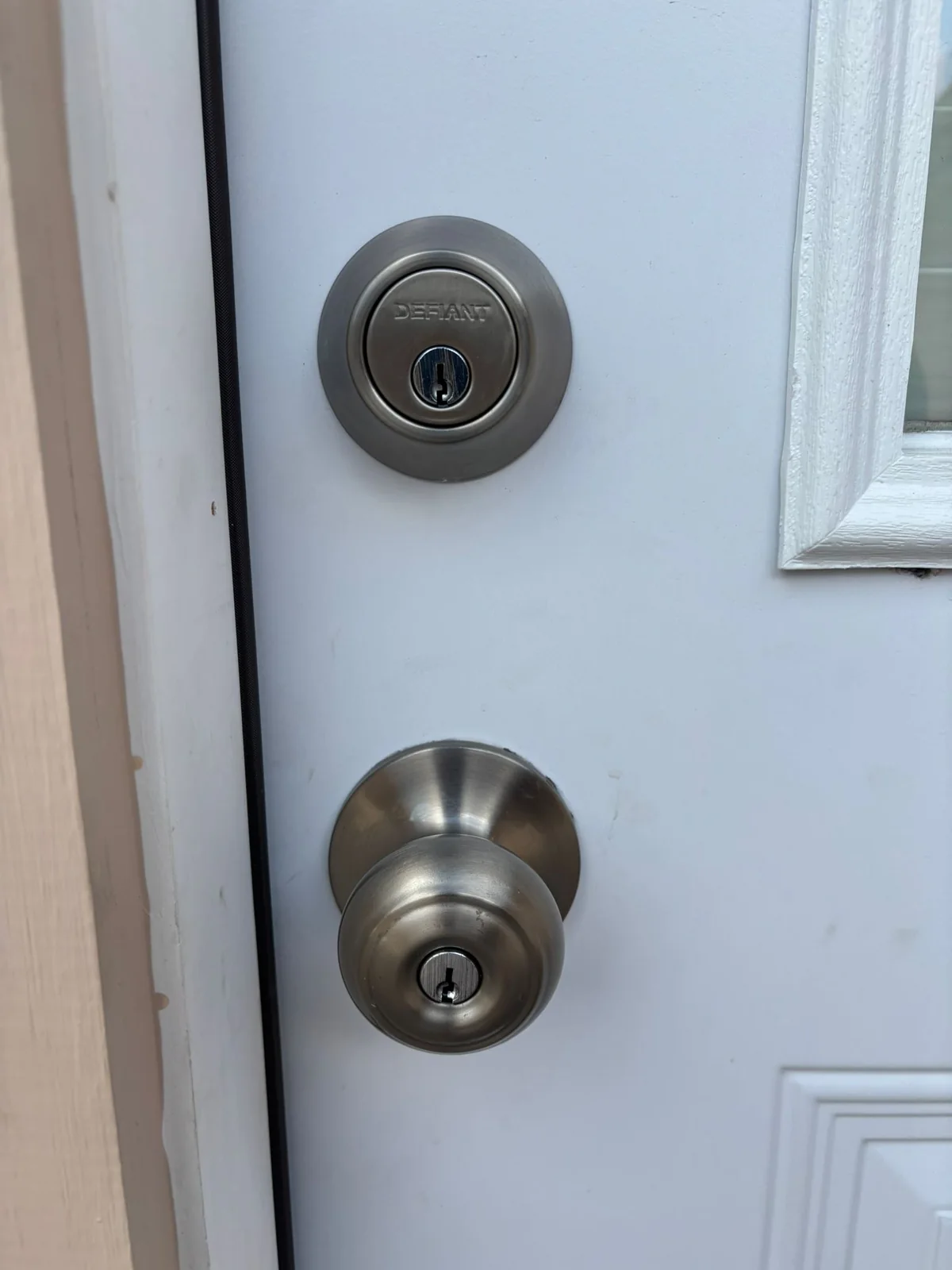
When house lock repair may fit the problem
Repair is worth considering when the main lock hardware is intact and the issue appears limited. A locksmith can inspect the lock body, cylinder where the key goes, latch, strike plate, and door position before deciding what can be fixed.
Loose hardware needs a closer look
A handle or deadbolt that wiggles may have loose mounting screws or worn connecting parts. The visible movement does not show the full condition inside the door. Repair may be possible if the hardware has not cracked and the lock still works reliably after the cause is corrected.
A latch that misses may be a door issue
Doors can sag or shift over time. Weather changes can also affect how a door meets its frame. If the latch is only missing the strike plate, adjusting the door-side parts may solve the problem. Replacing the lock alone may not correct a latch that is aimed at the wrong spot.
Wear can affect a working lock
A key that catches, a latch that drags, or a deadbolt that takes more effort can come from worn lock parts. The condition matters. If the mechanism can be restored to dependable operation and the hardware is otherwise sound, repair may make sense.
United Locksmith describes troubleshooting worn locks, repairs, rekeying, and lock upgrades on its Residential lock repair page. An on-site inspection is still needed because the lock type, door material, age, and source of damage affect the right fix.
Signs replacement is the safer choice
Replace a lock when its structure or dependable operation is in doubt. A front, back, garage-entry, or side door lock needs to close and lock consistently. Repeated trouble is a reason to stop treating the issue as a minor adjustment.
Schlage lists visible hardware damage, trouble inserting or removing a key, and a lock that does not latch correctly as signs a door lock may need replacement. That manufacturer guidance does not diagnose every door, yet these are clear reasons to arrange an inspection.
Replace hardware with visible damage
Cracked lock trim, a bent deadbolt, broken pieces, or a cylinder that has been damaged should not be treated as cosmetic. Damage may affect how the lock sits in the door or how it works inside. Damage to the wood, metal, or frame around the lock also needs inspection.
Replace a lock that cannot be counted on
Choose replacement when the key will not operate the lock reliably, the bolt will not extend or retract correctly, or the latch does not hold the door shut. A lock that works only after repeated attempts creates an access and security problem.
Replace after repeat failures
A single alignment correction can be different from a lock that keeps sticking after repair. When the same issue returns, ask whether the mechanism, the door setup, or both are causing it. Replacement may be the better path if the lock itself no longer performs dependably.
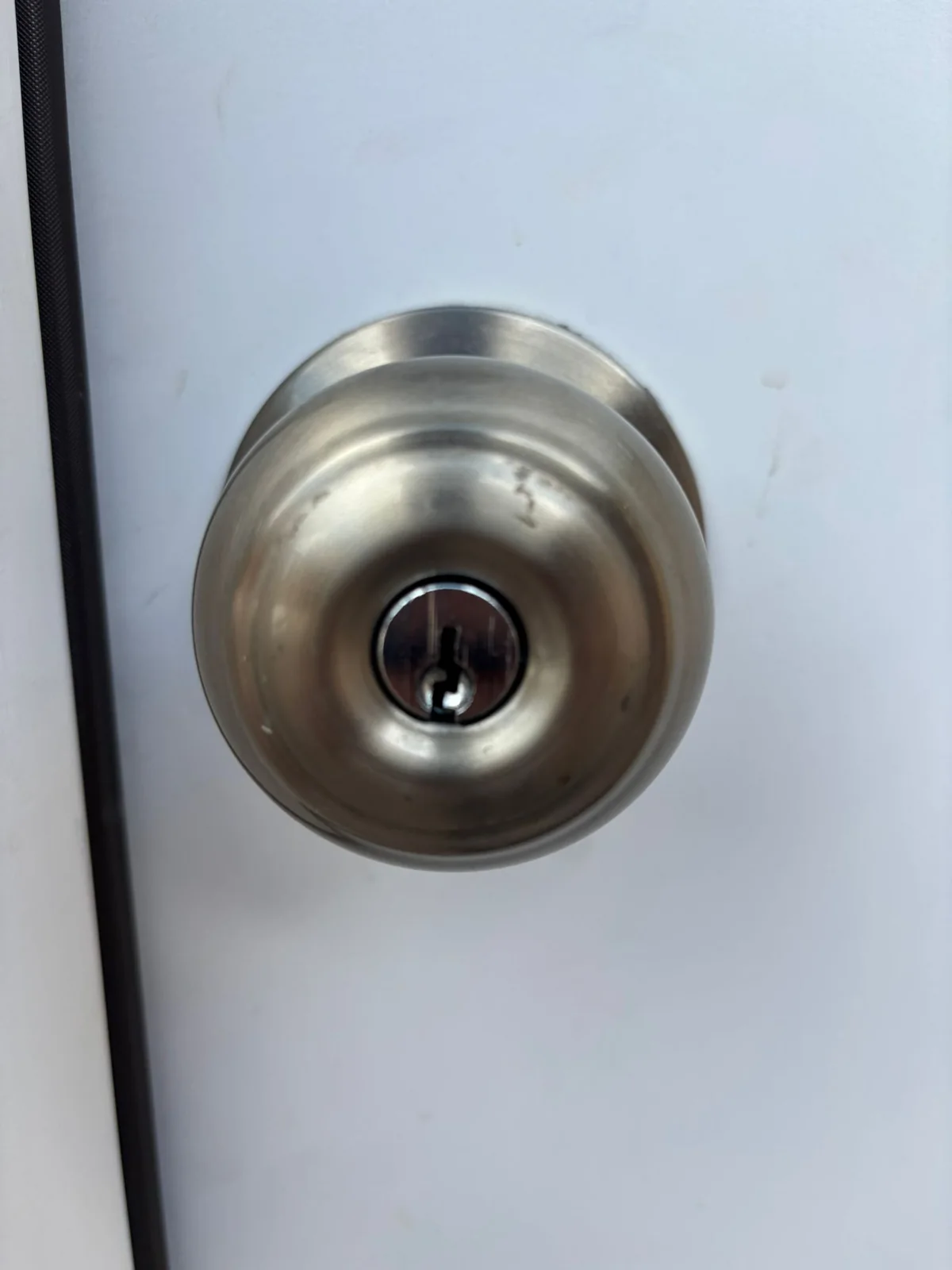
Rekeying solves a different problem
Physical damage and key control are separate questions. Rekeying changes the inside key pins so old keys no longer work. It can be useful after moving into a home, losing track of keys, or when someone who had a key should no longer have access.
Rekeying does not repair a bent bolt, a broken latch, damaged trim, or a door that will not line up with the frame. It also does not replace the lock hardware. If the existing lock works well and the issue is only who may have a key, rekeying may be enough. If it is damaged or unreliable, have that condition checked first.
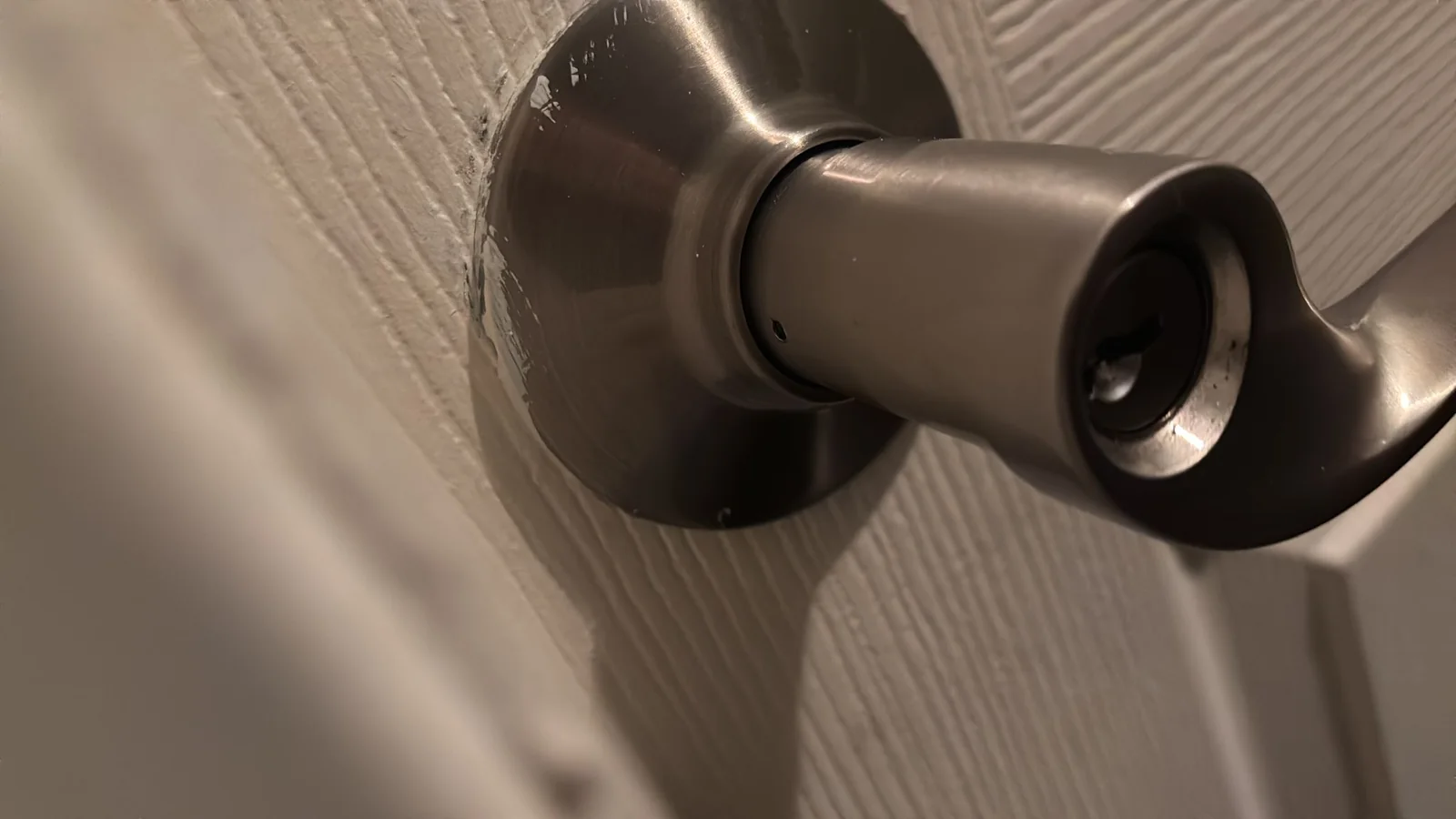
Use this repair or replacement checklist before service
- Protect the door. Stop forcing the key, handle, or deadbolt. Leave the door closed and secured if it can be locked safely.
- Test with the door open. Check whether the key, latch, and bolt move normally without the frame in the way.
- Look at the meeting point. Close the door slowly and see whether the latch or bolt lines up with the strike plate.
- Record the pattern. Note if the trouble affects every key, only one key, only certain times, or only when the door is closed.
- Check for damage. Look for loose screws, bent parts, cracks, or frame damage. Do not take the lock apart if you are unsure how it goes back together.
- Decide what you need secured. Tell the locksmith if old keys must stop working, if a lock has failed, or if more than one exterior door has the same issue.
Photos of the lock, door edge, and strike plate can help you describe the issue when scheduling. Keep the make or model details available if you know them, but do not assume a replacement part will fit until the door and existing hardware are inspected.
What a locksmith should check at the door
A useful inspection looks beyond the keyhole. The locksmith should check the lock’s operation with the door open and closed, then look at the latch or bolt, strike plate, hinges, screws, and surrounding door material. This helps tell whether the issue comes from the mechanism, alignment, damage around the opening, or more than one cause.
Ask for the reason behind the proposed work in plain language. You can ask whether the current lock is structurally sound, whether the latch aligns with the strike plate, whether repair would address the cause, and whether rekeying applies to your key-control concern. If replacement is needed, ask what hardware will fit the door and what changes are needed for installation.
If a person is trapped, or there is fire or smoke, call 911 first. For a lock issue without immediate danger, avoid leaving an exterior door unsecured while you wait for help.
FAQs about damaged house locks
Can I replace only the deadbolt and keep the handle?
Often, separate deadbolt and handle sets can be handled as separate pieces, but fit depends on the door holes, backset, door thickness, and the condition of the existing hardware. A locksmith can check whether the new deadbolt will work without changes to the door.
Why does my key work from outside but stick from inside?
The two sides may have different wear, the thumbturn may bind, or the door position may put pressure on the bolt when it is closed. Note whether the trouble occurs with the door open. That detail helps narrow down whether the problem is inside the lock or at the frame.
Should I change locks after buying a house?
If you do not know who has copies of the keys, rekeying or replacing locks can restore control over access. The choice depends on the condition and type of existing hardware, plus whether you want to keep it. Check every exterior entry, including doors from a garage into the home.
For help choosing repair, rekeying, or replacement for a Houston home, call United Locksmith at 832-220-4722. The company lists mobile residential locksmith service and 24/7 availability, and a technician can inspect the lock, door, and frame before completing the needed work.