
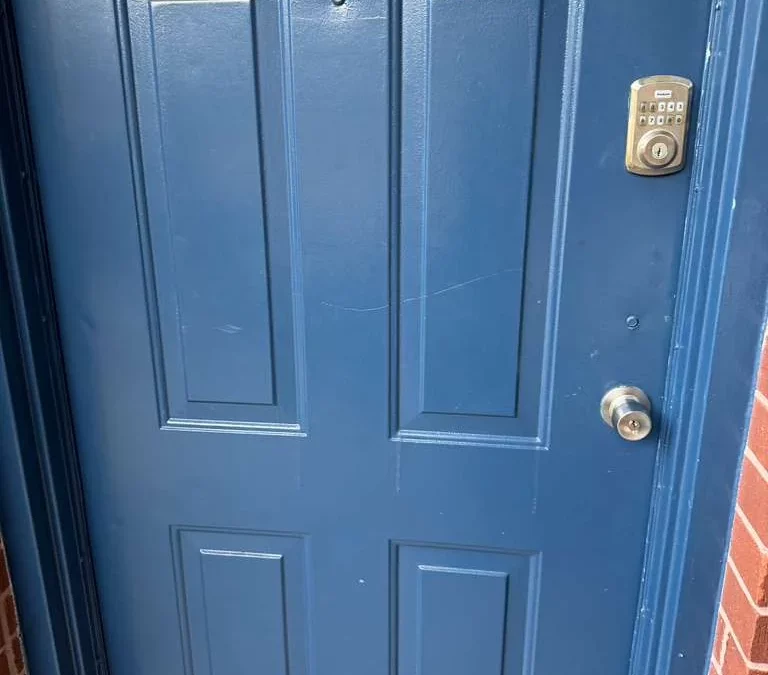
For safer home access for guests and contractors, use the least-permanent option that fits the visit. Meet short-term visitors at the door or give a temporary code. Give recurring trusted help a controlled key or code. After lost keys, renovation work, or uncertainty about copies, rekey the locks and start with a clean access list.

Match the entry method to the visit
Giving every visitor a permanent house key creates a hard problem later. You may not know how many copies exist or who still has them. Start by deciding how often the person needs to enter, whether you will be home, and whether they need access to the whole house.
| Visitor situation | Access choice to consider | What to control |
|---|---|---|
| Friend stopping by once | Meet them, leave a temporary code, or arrange a key handoff | Remove the code after the visit or get the key back |
| Dog walker or cleaner with a regular schedule | A separate code or a labeled key kept under your control | Review access when the schedule or working relationship changes |
| Delivery or repair visit | Be present, use a time-limited code if your lock supports it, or schedule a trusted person to meet them | Limit entry to the planned date and time |
| Renovation crew | Set a clear entry plan and change access when the job ends | Track who has a key and rekey if key control is unclear |
| House sitter staying overnight | A dedicated key or code, plus written home instructions | Collect or delete access when you return |
A temporary code can be useful when a lock supports separate users and expiration settings. Check the lock maker’s instructions before relying on those features. If the person only needs to get in while you are there, supervised entry is simpler than making a new key.

Build a short access list before you hand anything over
Use a note on paper or a private digital list. The goal is to know who can enter today. Keep it simple enough that you will update it.
- Write the person’s name and why they need entry.
- Note whether they have a key, a code, or both.
- Record the door they can use.
- Add the date access begins and the date it should end.
- Include where a loaned physical key should be returned.
Don’t put your full address, alarm details, or a door code together in a note that anyone can see. A contact can ask for the address when needed. Keep alarm instructions separate and share only what the visitor needs for the planned visit.
Set limits that make sense for the job
A person fixing a sink may need a path from the front door to the kitchen and bathroom. A house sitter may need wider access. Before work starts, put away mail, medication, financial papers, spare keys, and items you do not want moved. Close interior doors for rooms that are off limits.
Tell the visitor which door to use, where to park, whether pets will be present, and who to call if plans change. Clear instructions reduce the chance that someone tries an unlocked side door or waits outside because the entry plan was vague.
Use physical keys without losing track of them
Some homes do not use smart locks, and some visitors prefer a key. A physical key can work well when you treat it as a loaned item instead of a permanent gift. Keep the number of issued copies small. Give each recurring visitor only the key they need.
Label a key tag with a name or simple code, not your street address. Keep your own record of which label went to which person. Ask for the key back when a cleaner changes, a project ends, or a guest returns from a trip.
If you need another copy, quality matters. United Locksmith lists residential key duplication for traditional, high-security, and specialty residential keys. Ask what your existing key system allows before assuming a particular key can be copied.
Never rely on a hidden outdoor spare as your access plan
A key under a mat, planter, or loose rock is uncontrolled access. Anyone who finds it may use it, and you cannot remove access from a past visitor without moving the key. A lockbox may offer more control than a hidden key when you need a short-term handoff, but use it according to its instructions and reset its code after the handoff.
If you keep an emergency spare, give it to a person you trust who does not live at the house. Confirm that their phone number is current before you travel.
Set up smart-lock access with account security in mind
A smart lock can make home access for guests and contractors easier to manage, but the online account needs care too. The National Institute of Standards and Technology recommends unique passwords and multi-factor authentication for smart-home accounts. Use a password you do not reuse for email, shopping, or banking, then turn on multi-factor authentication if the lock account offers it.
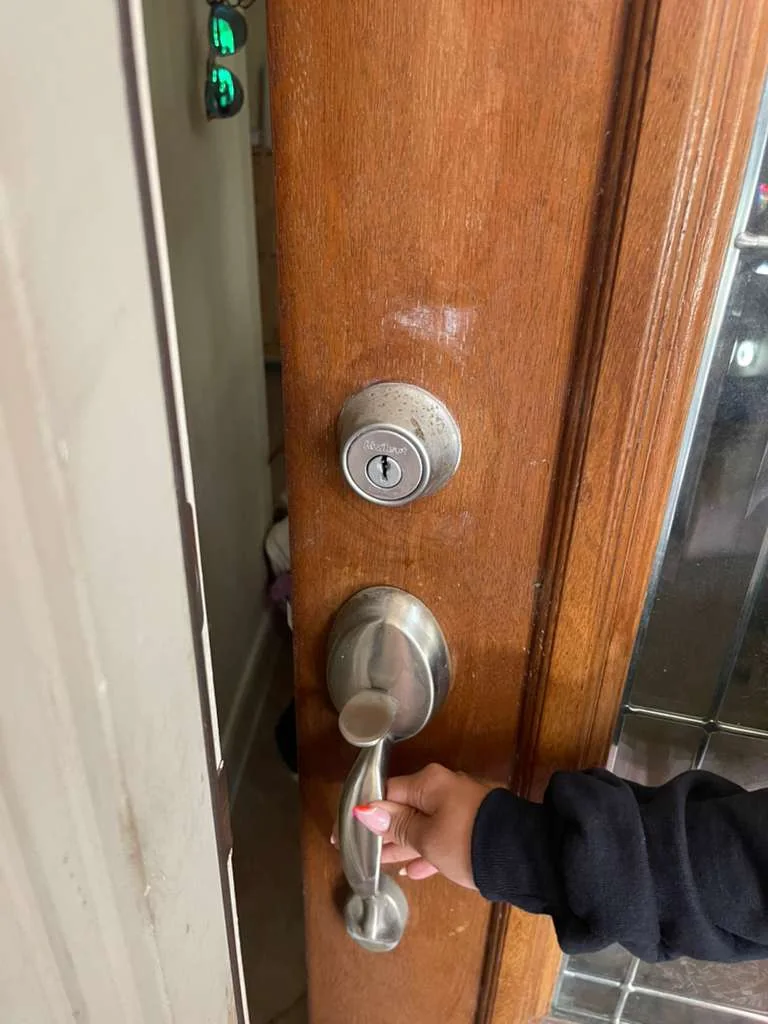
Create a separate code for each person when your lock allows it. Avoid a shared household code for every guest, worker, and relative. A separate code gives you a clearer removal step when a visit ends. Delete old guest codes rather than changing only the main code.

Check the rest of the connected setup
Your lock may depend on a phone app, home Wi-Fi, a bridge device, or a router. Keep the app and lock software updated when updates are offered. The Federal Trade Commission advises changing default credentials, enabling two-factor authentication, installing updates, and turning off remote management features you do not use.
Before you leave town, test entry with the code or method you plan to share. Also make a backup plan if the visitor’s phone has no battery, the internet is down, or the lock battery is low. Follow the lock maker’s directions for battery replacement and emergency entry.
Rekey after access becomes uncertain
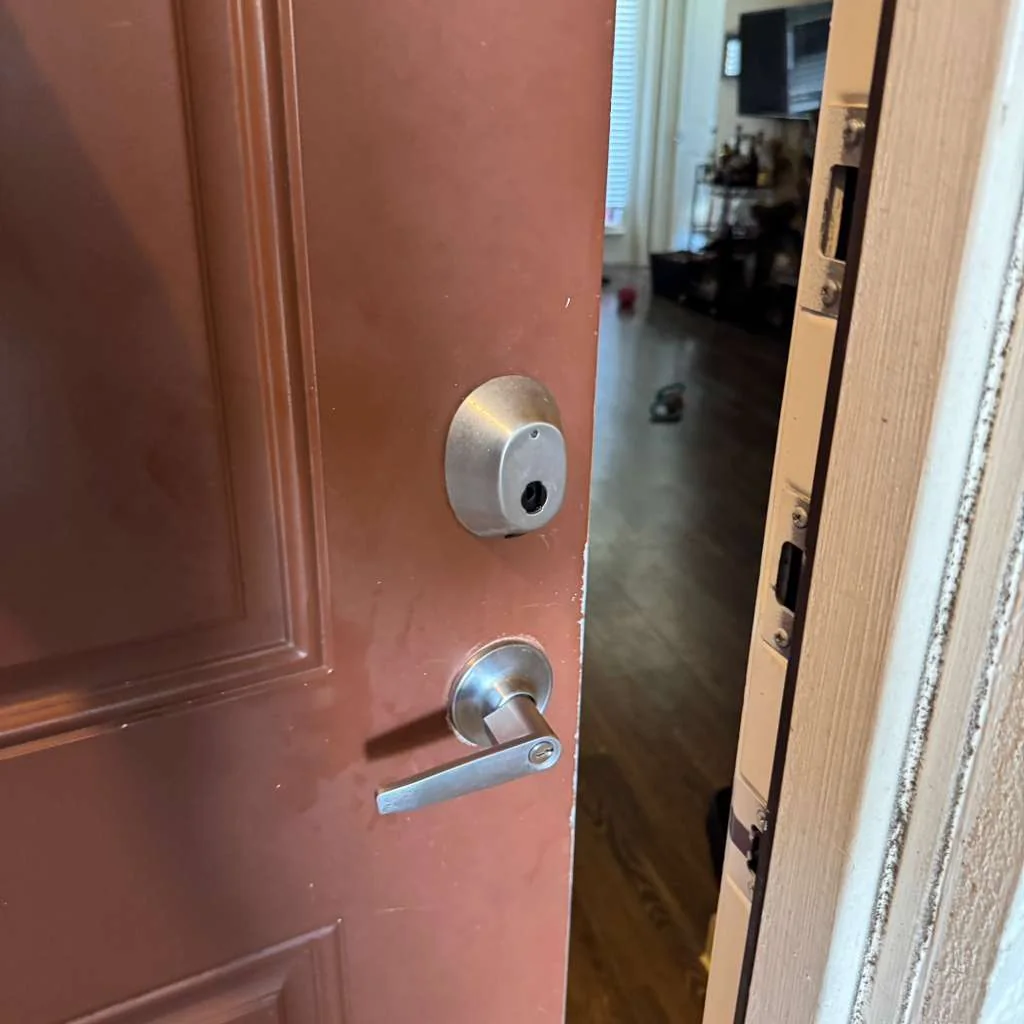
Rekeying changes the inside parts of an existing lock so it works with a new key. It is a practical reset when a key is lost, a previous occupant may still have a copy, or many workers used keys during a project. Residential lock rekeying is listed by United Locksmith for Houston homes, including situations after construction, worker access, misplaced keys, and occupant turnover.
Rekeying may fit when the lock hardware is in good working shape and you want to stop old keys from working. Replacing a lock may make more sense if the lock is damaged, does not meet your needs, or you want a different type of entry. A locksmith can assess the existing hardware and discuss the available choices.
Know when to reset access right away
- A key was lost and could be tied to your home.
- A guest did not return a loaned key.
- A contractor key was passed between workers and you cannot account for copies.
- You moved into a home and do not know who has old keys.
- A code was sent to the wrong person or posted where others could see it.
For a code, delete it promptly and check for other shared codes. For a key, do not wait for proof that a copy exists. The point of rekeying is to restore control when you no longer know who might have entry.
Make arrival and departure part of the plan
Access control is more than the lock. Before a contractor arrives, confirm the date, the name of the company, and the expected work. Keep a phone number for the office or scheduler. If someone arrives unexpectedly and claims to be there for work, pause and verify before opening the door or sending a code.
At the end of a visit, check that doors and windows are closed, collect any loaned key, and remove access that is no longer needed. For a longer project, review the access list at each project stage. A short review prevents old arrangements from carrying on after the work is finished.
Frequently asked questions
Should I give my cleaner the same code I use every day?
A separate code is easier to remove if the schedule changes. It also keeps your personal code private. If your lock cannot create separate codes, a controlled physical key or meeting the cleaner at the door may be a better fit.
What should I do if a contractor asks for a key before work starts?
Ask how many people need entry and on which days. You can choose to meet the crew, arrange a limited code if your lock supports it, or loan a tracked key. Put the return date in writing for yourself before the key leaves your hand.
Can I rekey only the front door?
You can ask about rekeying a single lock, though it is worth checking every exterior door that uses the same key. A mismatched setup can leave an old key working at another entrance. A locksmith can look at the locks and explain which keys operate each door.
What should a house sitter know besides the entry method?
Leave emergency contacts, pet care instructions, trash day details, and the location of shutoff information if you are comfortable sharing it. Tell the sitter what to do if they cannot lock the door or if a key stops working. Keep sensitive account passwords out of the instructions.
Need help resetting home access after workers, a lost key, or a move in Houston? Contact United Locksmith for residential locksmith service and lock rekeying at 832-220-4722 to discuss your locks and arrange the next step.