
For most homes, plan how many house keys to make by giving each regular adult or roommate one working key and keeping one or two controlled backups. The right total changes with your household, entrances, and trusted contacts. What matters most is knowing who has every copy and changing the lock key when access is no longer clear.
Start with the people who need regular access
Count people who enter the home on their own during a normal week. Adults, roommates, and older children who are expected to come and go may each need a working key. A person who only visits while you are home usually does not.
Think through the routine before ordering copies. Ask who leaves first, who gets home last, who works late, and who may need to get inside if another person is away. A shared key passed between people can lead to a lockout or a lost key. Separate working keys make daily access simpler.
Also count doors. A front and back door may use the same key, or they may not. A garage side door, gate, mailbox, storage room, or apartment building entrance may add a different key to the ring. Do not assume a copy that opens the front door opens every door you use.
Use this simple starting count
- One working key for each regular adult or roommate
- One backup kept in secure storage at home
- One backup with a trusted person, if that person can reasonably help during a lockout
This is a planning baseline, not a universal rule. A single resident may want fewer copies. A larger household with separate schedules may need more. Keep the number tied to a real access need, not a vague what-if.
Choose backup access that does not expose your home
A spare key can save time, yet its storage place matters as much as its number. West Yorkshire Police guidance says to leave a spare only with a trusted neighbor, friend, or relative. It also warns against putting your address on a key tag or hiding a key in obvious outdoor spots.
Choose a contact who lives close enough to help, answers their phone, and understands that the key is not for casual use. Tell them if you replace locks or change household access. If that relationship changes, retrieve the key or change the lock key.
A second backup can stay inside your home if it is protected from casual access. The Federal Trade Commission suggests keeping an extra set of house and car keys with important documents in a secure, lockable, fire-resistant container. Keep that container reachable in an emergency without leaving it openly exposed.
Skip these common spare-key choices
- Under a doormat, rock, planter, or outdoor decoration
- In an unlocked car parked outside the home
- On a ring marked with your street address, unit number, or full name
- With someone you would not feel comfortable asking to return it right away
A label can still be useful if your keys look alike. Use a private code that only household members understand. Keep the code separate from the keys.
Make a key list before you make more copies
Many households lose track because copies are made at different times. Fix that before the number grows. Write down each exterior lock, the key that opens it, and the person or storage place holding each copy. You do not need to put this list on a key ring. Keep it in a private household record.
What to record
- The door or lock the key opens
- The number of copies in use
- Who holds each working copy
- Where each backup is stored
- The date a key was issued, returned, lost, or replaced
This list gives you a decision point when circumstances change. If a key holder moves out, a contractor finishes work, a tenant changes, or a ring goes missing, you can tell whether access is still under control. If you cannot account for a key, making another copy does not solve that problem.
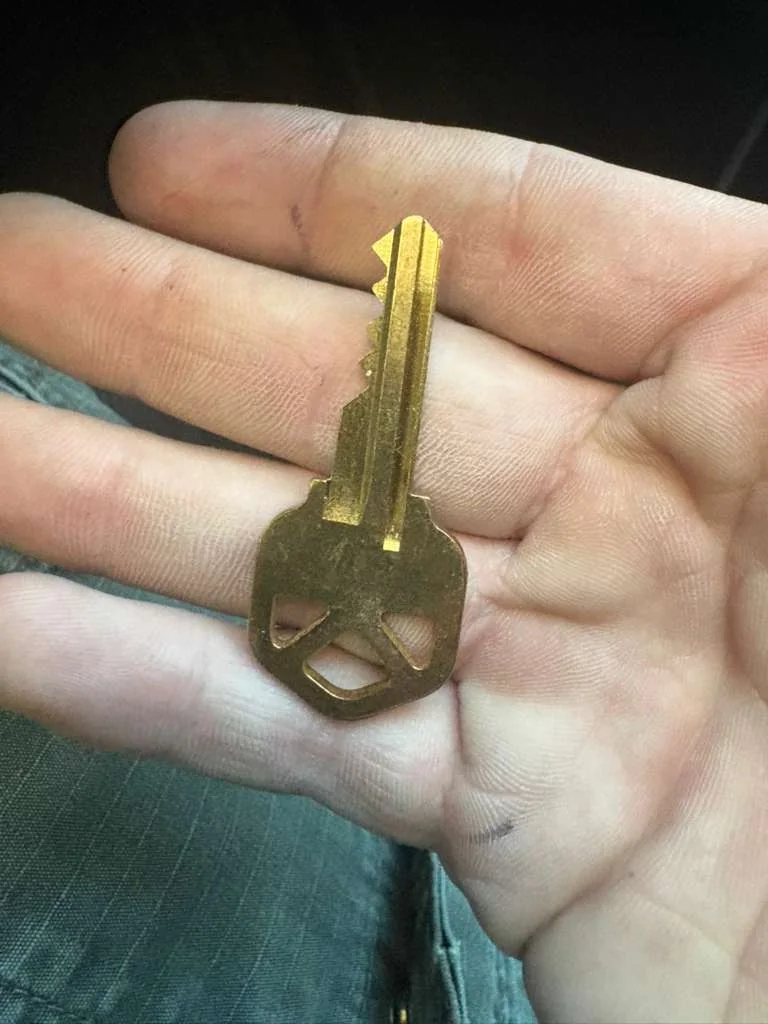
Check the key type before you plan duplicates
Some house keys are simple metal keys. Others are high-security or specialty keys, and some may have rules about who can authorize a copy. A rental agreement, landlord, homeowners association, or insurance policy may also affect what you can change or duplicate. Check those requirements before you order keys or alter a lock.
Take the original key and any paperwork that came with it when you ask about duplication. Ask whether the copy will work in every lock that currently uses that key. If you have several exterior locks with different keys, decide whether you want to keep that setup or have the locks changed to work with a new matching key set.
For Houston households, Residential key duplication from United Locksmith is advertised for traditional, high-security, and specialty keys through mobile service. The key type and authorization can affect what can be duplicated, so have the existing key available when you call.
Know when a new lock key makes more sense than another copy
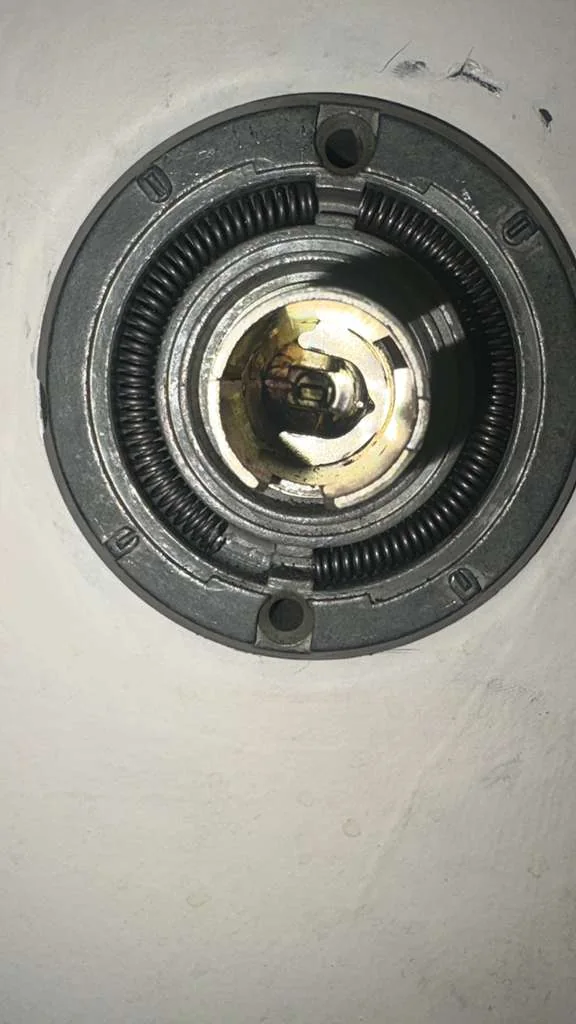
Duplicate keys are useful when every existing copy is accounted for. Changing the lock key, often called rekeying, may be the better next step when a key is lost, not returned, or still held by a person who should no longer have access.
Rekeying changes the key that operates the existing lock. You may not need to replace the full lock if the lock itself is in good condition and can be rekeyed. Allegion explains that a locksmith or local hardware store can rekey locks, and professional help may be needed when the tools or experience are not available.
Do not wait for a perfect count if the concern is immediate. A lost ring with identifying information, a break-in, or a person trapped inside calls for prompt action. If there is fire, smoke, or a trapped person in danger, call 911 first.
Review access when the household changes
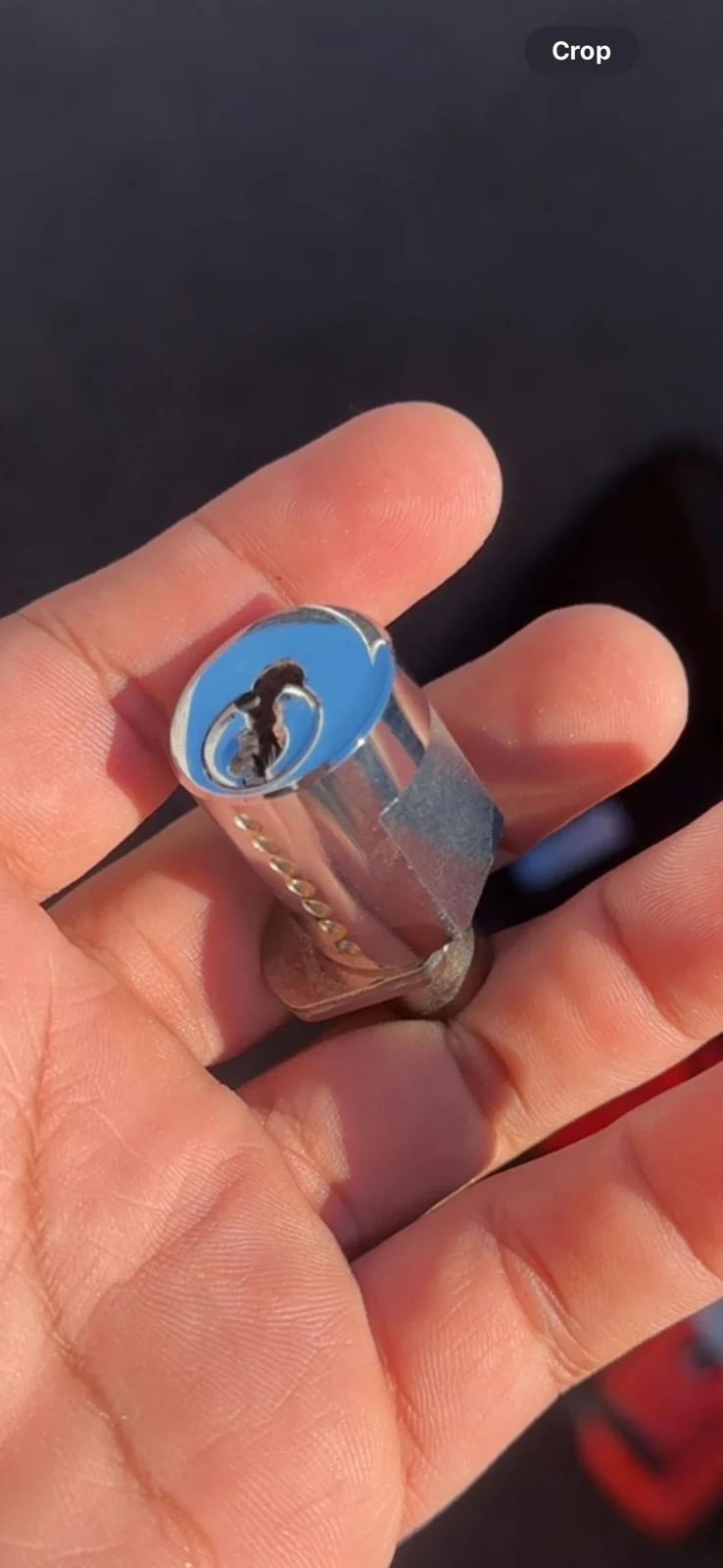
Set a reminder to review your key list after a move, a new roommate, a separation, a tenant turnover, or a lost key. The review can be short. Collect keys that should be returned, check the trusted-contact backup, and confirm your at-home backup remains secure.
Also look at keys given for temporary work. If a cleaner, pet sitter, repair worker, or contractor needed access, decide whether the key was returned and whether it was copied. A temporary need should not quietly become permanent access.
If you rent, notify the landlord when your agreement requires it. If you own a condo or live in a community with shared entrances, ask what rules apply before changing a building key or common-area access device.
FAQ
Should every child have a house key?
That depends on the child’s age, schedule, and ability to keep the key secure. Decide whether they can use the lock, reach a trusted adult if plans change, and keep the key off a bag that is often left unattended. A coded label can help them identify it without showing where they live.
Can I give a house key to a dog walker or cleaner?
You can choose to do so, but treat it as a temporary access decision. Record who has it, set an end date, and collect it when the work ends. If you need recurring access for several workers, ask about lock options that make it easier to change access later.
What if my front and back doors use different keys?
First decide which doors each person truly needs to use. A person may only need the front-door key. If carrying several keys is a daily problem, ask whether your existing locks can be rekeyed to use a matching key set. Lock condition and lock type affect that choice.
Should I leave a spare key in my car?
A car is often visible, may be left away from home, and can be broken into. Keeping a house key there may create a risk if anything in the car identifies your address. A trusted contact or protected indoor storage is usually easier to control.
When you know how many house keys to make and need copies or a changed lock key in Houston, call United Locksmith at 832-220-4722 for residential key duplication and locksmith service. Have your key type, the number of copies needed, and any access concerns ready when you call.